Skål International
FUTU[RE]SET: Key Takeaways from the WTTC Global Summit 2026 in Malta
FUTU[RE]SET: Key Takeaways from the WTTC Global Summit 2026 in Malta
The 26th Global Summit of the World Travel & Tourism Council (WTTC), held in Valletta, Malta, from 7-9 October 2026, brought together more than 1,000 delegates, including over 200 CEOs, government leaders and industry experts, to discuss the future of global tourism under the theme “FUTU[RE]SET”. The Summit provided a timely platform for addressing the profound changes reshaping Travel & Tourism, from artificial intelligence and digitalisation to sustainability, talent development and destination stewardship.
Skål International was represented at the WTTC Global Summit in Malta by Ramón Adillón from Skål International Madrid, whose attendance ensured that the organisation remained closely connected to the industry's leading discussions on innovation, sustainability, talent development and the future of global tourism.
Opening the Summit, Gloria Guevara, President & CEO of WTTC, emphasised that technology, artificial intelligence, evolving traveller expectations and geopolitical shifts are fundamentally changing the way people travel and how tourism businesses operate. The FUTU[RE]SET agenda challenged both governments and industry leaders to look beyond short-term recovery and focus on building a more competitive, resilient and future-ready sector.
A recurring theme throughout the Summit was the importance of public-private collaboration. Discussions involving ministers, policy makers and tourism executives highlighted the need for closer cooperation to improve connectivity, facilitate seamless travel, attract investment and ensure sustainable long-term growth. Speakers agreed that the challenges facing Travel & Tourism today are too complex to be addressed by any single stakeholder alone.
Technology and innovation featured prominently in the programme. Sessions examined how artificial intelligence is transforming every stage of the travel journey, from inspiration and booking to customer service and operations. At the same time, experts explored the growing adoption of digital identity solutions, biometrics and automated border processes, which have the potential to make international travel faster, safer and more efficient. 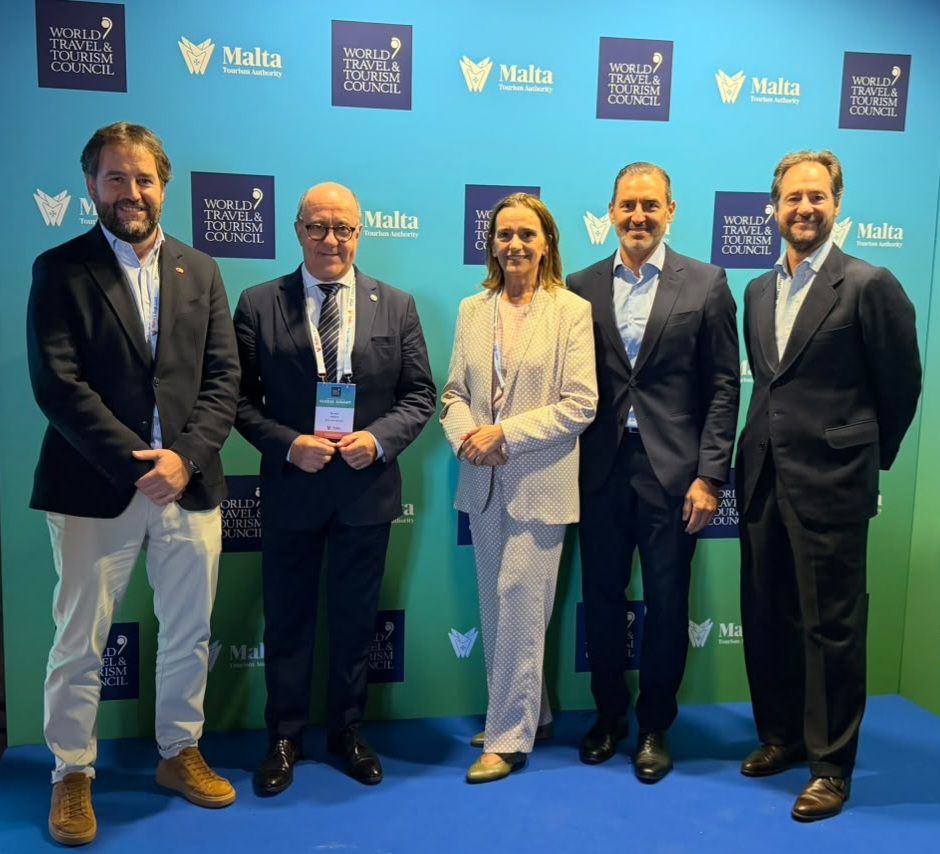
Another important focus was the evolving profile of travellers. Industry leaders discussed the emergence of the wellness and longevity economy, the growing demand for meaningful and authentic experiences, and the need for destinations and tourism businesses to adapt to changing consumer expectations. Luxury travel providers also highlighted a shift away from traditional notions of exclusivity towards experiences that generate lasting personal value and deeper connections with destinations.
Talent development and workforce challenges were also high on the agenda. With Travel & Tourism supporting approximately one in ten jobs globally and across Europe, speakers stressed the importance of improving the sector's appeal to younger generations, addressing skills shortages and creating clear career pathways for future professionals. Particular attention was given to engaging the next generation of tourism leaders and ensuring their voices contribute to the industry's future direction.
Sustainability remained a central pillar of the discussions. Delegates explored how destinations can move beyond measuring success solely through visitor numbers and instead focus on the quality and impact of tourism growth. The concept of destination stewardship gained considerable attention, encouraging destinations to balance economic benefits with the protection of local communities, cultural heritage and natural resources.
The Summit also benefited from contributions by prominent global leaders, including former Canadian Prime Minister Justin Trudeau, former Spanish Prime Minister José María Aznar, and Apostolos Tzitzikostas, European Commissioner for Sustainable Transport and Tourism. Their participation reinforced the growing recognition of tourism as a strategic driver of economic development, international cooperation and social progress.
The key message emerging from FUTU[RE]SET was clear: success in the years ahead will depend on innovation, collaboration, sustainability and a shared commitment to building a tourism sector that delivers value not only for businesses, but also for travellers, communities and future generations.
