Skål International
Why Slow Tourism Is Redefining Modern Travel
Why Slow Tourism Is Redefining Modern Travel
Time is money, yet speed has long been mistaken for value.
Since the Industrial Revolution, life has only accelerated, and COVID-19 intensified that pace, quietly reshaping how people travel. Modernity taught us that results matter more than the process.
This cult of speed now affects even the pleasure of travel. Today's tourist is often a stressed customer following exhaustive itineraries, while operators compete to show how many places and activities they can fit into an agenda. What gets lost is the essence of travel: the experience, the balance, and the connection with the destination. Many traveller’s are now beginning to pause and reflect.
Slow tourism is part of a cultural movement that promotes a calmer, healthier, and more fulfilling life. It is a conscious form of travel: sustainable, culturally respectful, socially responsible, and driven by purpose.

A destination is not only a place, but also what we hope to experience there. Slow tourism invites traveller’s to move beyond the instant gratification of traditional tourism and become true traveller’s, capable of anchoring their experience to the destination. Platforms such as World Peace Routes seek traveller’s willing to take their time and connect with new environments and local people through routes of peace, tranquillity, and balance. The focus is on simple pleasures: not just watching a sunset, but sharing it with a community, its stories, and its culture.
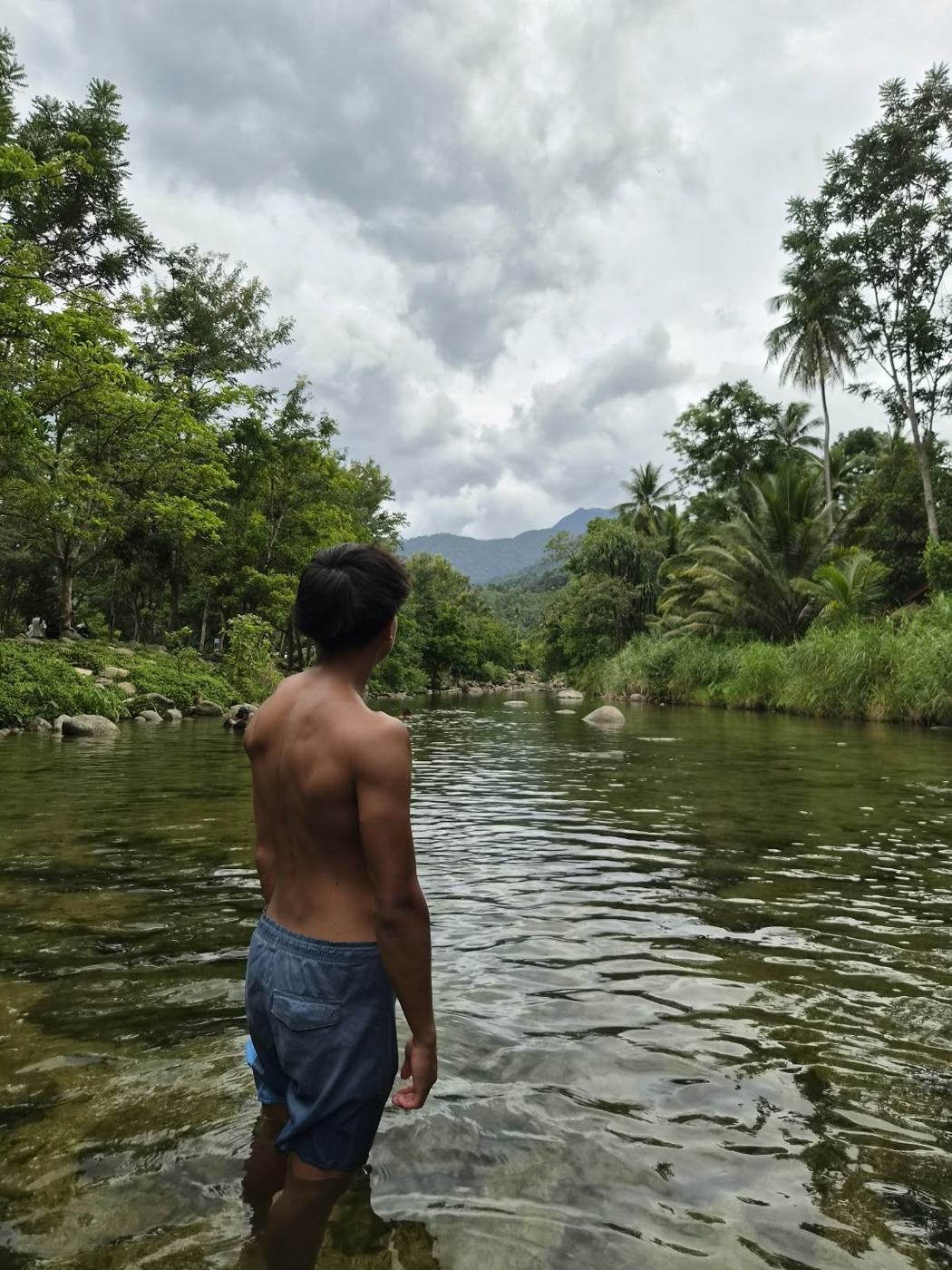
Slow tourism offers tailor-made, responsible experiences that support local communities at every destination. For those who believe that living intensely means living in haste, it offers a different perspective: to set aside contemporary speed, appreciate the journey itself, and align with the values of the communities that welcome us. Some things simply cannot be accelerated, and slow tourism makes room for them.